History
Before the Birkin
Long before anyone queued for one, the handbag was a practical answer to a dress with nowhere to put things. Then it came out from under the skirt, and people started looking.
The Worth the Bag team, 31 Oct 2026
The oldest bag in this story is nine centimetres tall, made of cotton and shell beads in Peru some six hundred years ago, and it has never once been the subject of a price rise.
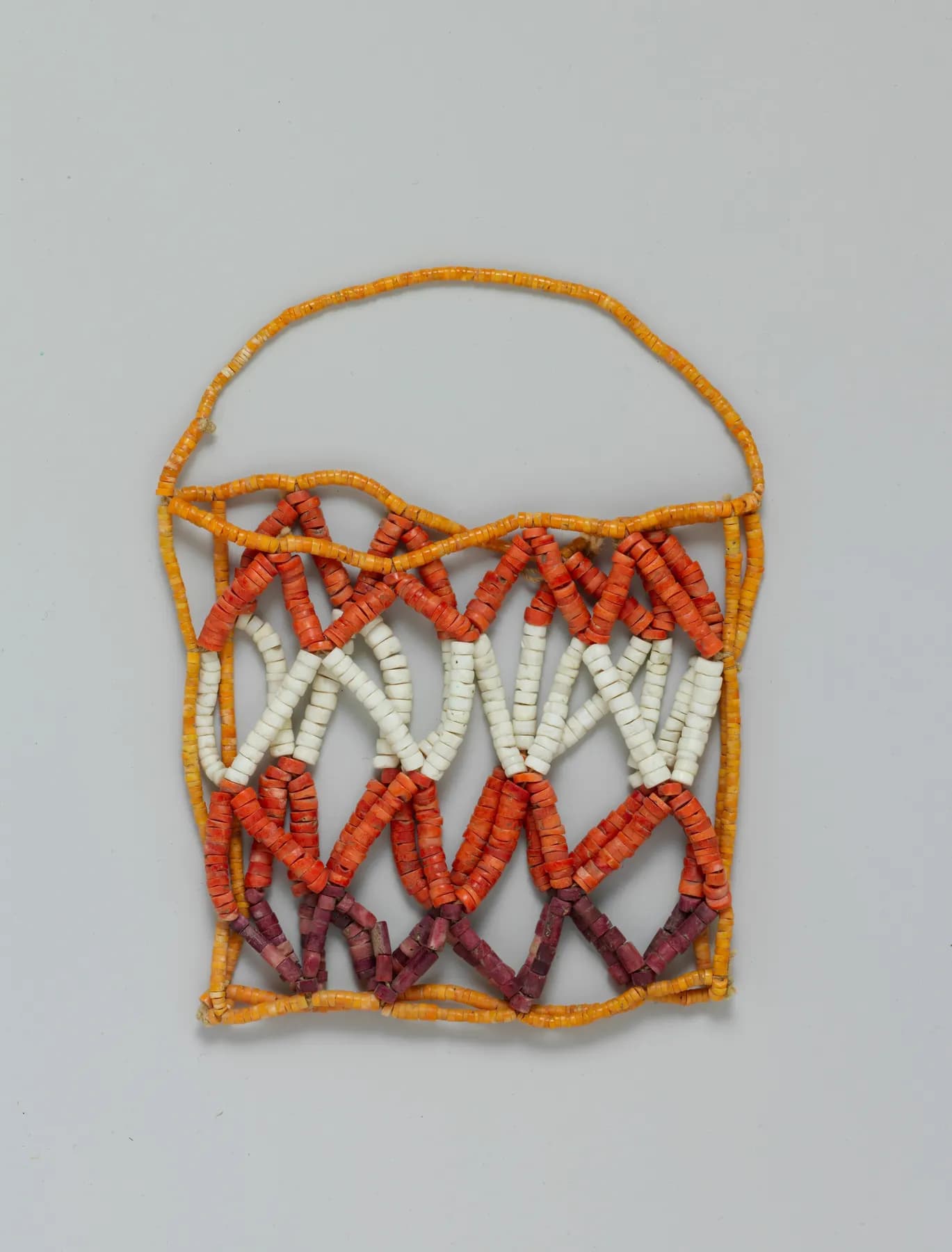
It is no ancestor of anything in a Paris boutique, and we would not pretend otherwise. It is here as a reminder that people have long wanted to carry small things and make the carrying pretty. The European story that leads to the Birkin is odder, because for a long time its central object could not be seen at all.
The bag under the skirt
From about 1650 to the end of the 19th century, says the Victoria and Albert Museum, women commonly wore tie-on pockets: separate pouches tied at the waist beneath the clothes and reached through openings in the dress and petticoats. They were not dainty. A typical one measured about 40 cm long and 30 cm wide. Keys went in, along with penknives, scissors, snuff boxes, watches and coins, and now and then something its owner preferred to keep hidden.
Everything a woman needed, then, sat out of sight in a bag nobody saw. Fashion had nothing to say about it.
Then the dresses changed.
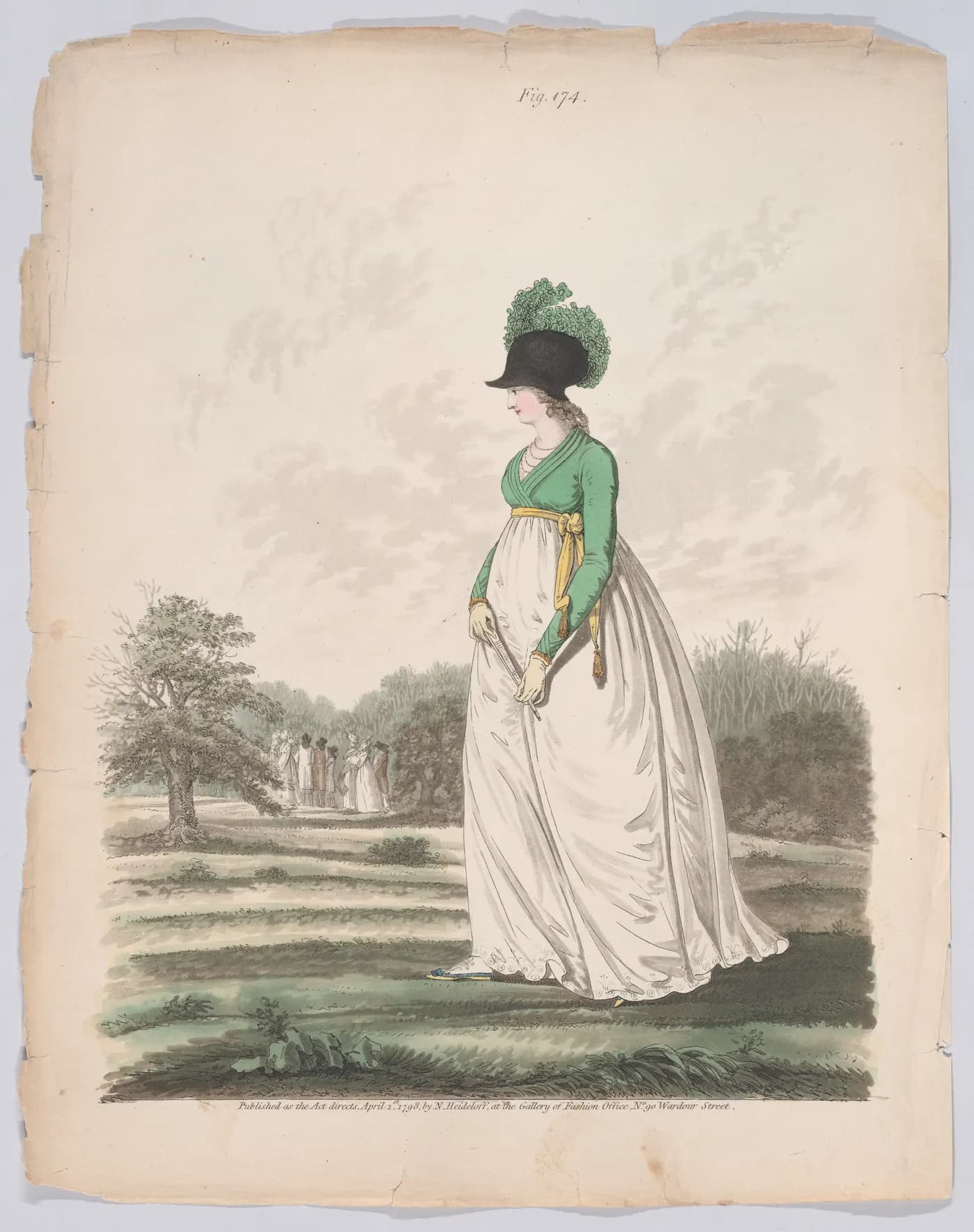
Heavy, voluminous gowns gave way to lightweight muslin, as the European Fashion Heritage Association puts it. TRC Leiden describes the silhouette as tight-fitting and straight, with a high waist and thin fabric. Under a dress like that, a 40 cm pocket has a problem. The answer was a small bag held in the hand or hung from the arm, and it arrived with a scandal attached: the Heritage Association notes that some women were shocked by these visible bags, since carrying your things in outside pockets was seen as masculine.
The V&A adds a caution worth keeping. It is tempting to say the handbag killed the pocket, it writes, but “the story is in fact more complex and more interesting”. Bags and pockets lived side by side for a long time. The slim gown did not invent the handbag. It did, however, drag the question of what you carry into plain view.
It is tempting to say the handbag killed the pocket. The V&A says the story is more complex and more interesting.
A word and its joke
The bag’s name comes through French from the Latin reticulum, a little net, and many early examples were indeed netted. English also had a rival word, ridicule. Grammarphobia, working from the Oxford English Dictionary, finds it in the caption of a print dated 1799 in the British Museum’s collection, two years before “reticule” turns up in a text of 1801. The dictionary calls ridicule “probably a punning alteration” that began in French. So the joke beat the sensible word into English print, and it stayed in fashionable use for a while: Ackermann’s Repository of Arts mentioned a “pink embroidered ridicule” in 1812.
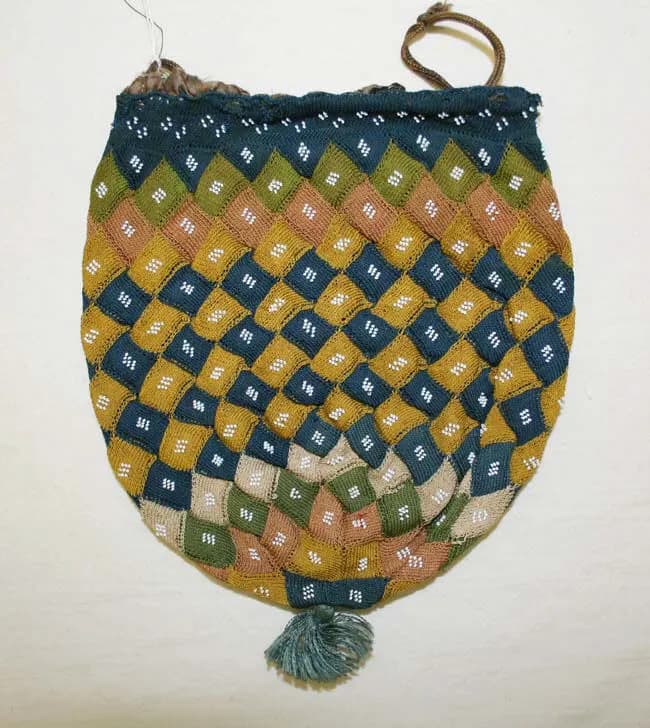
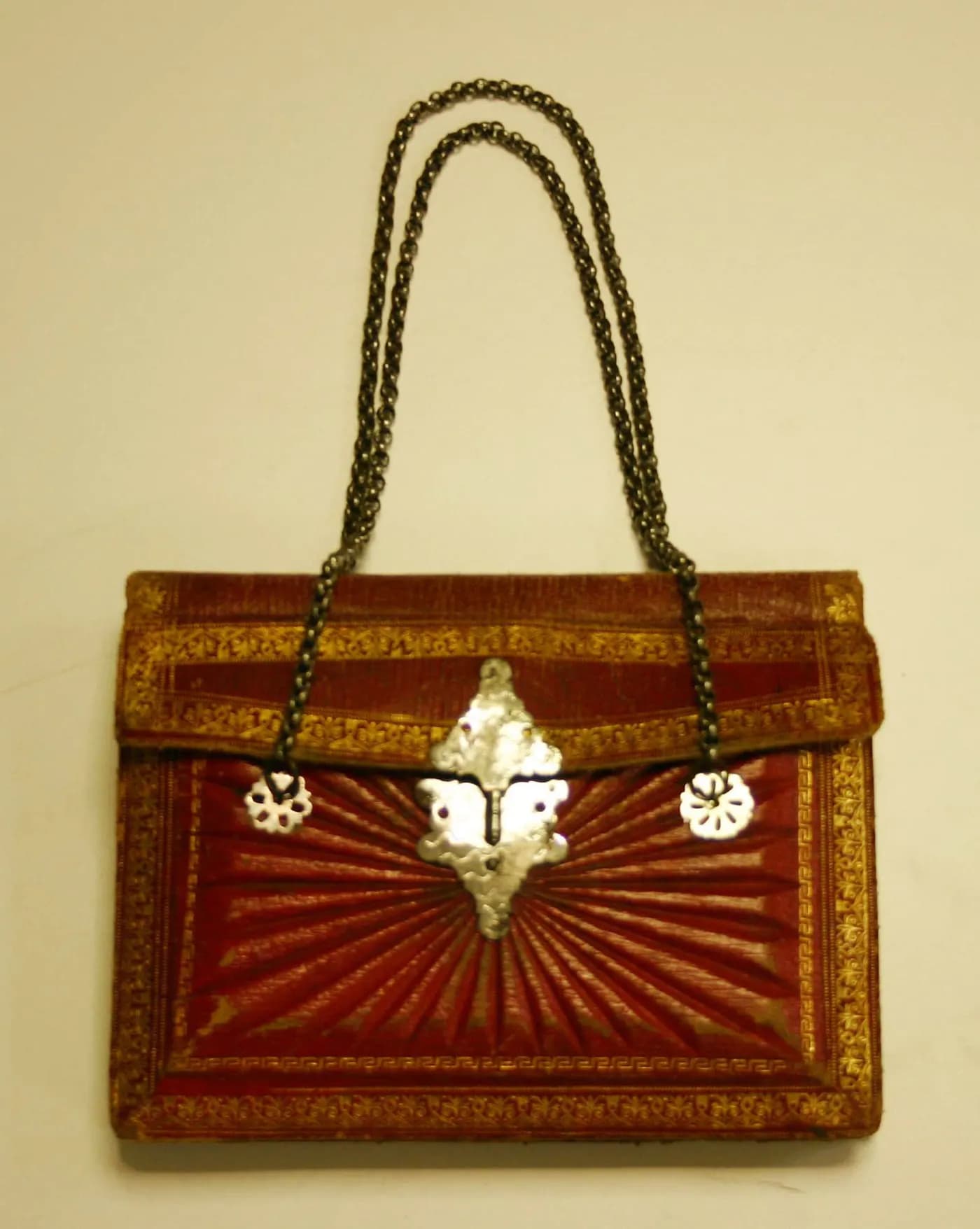
Mostly silk, says TRC Leiden, and velvet too after about 1810. But the Met’s collection shows how far the idea travelled. A French example from the early 19th century, in leather and tortoiseshell with a chain, could walk past you on a street today and you would ask where she got it.
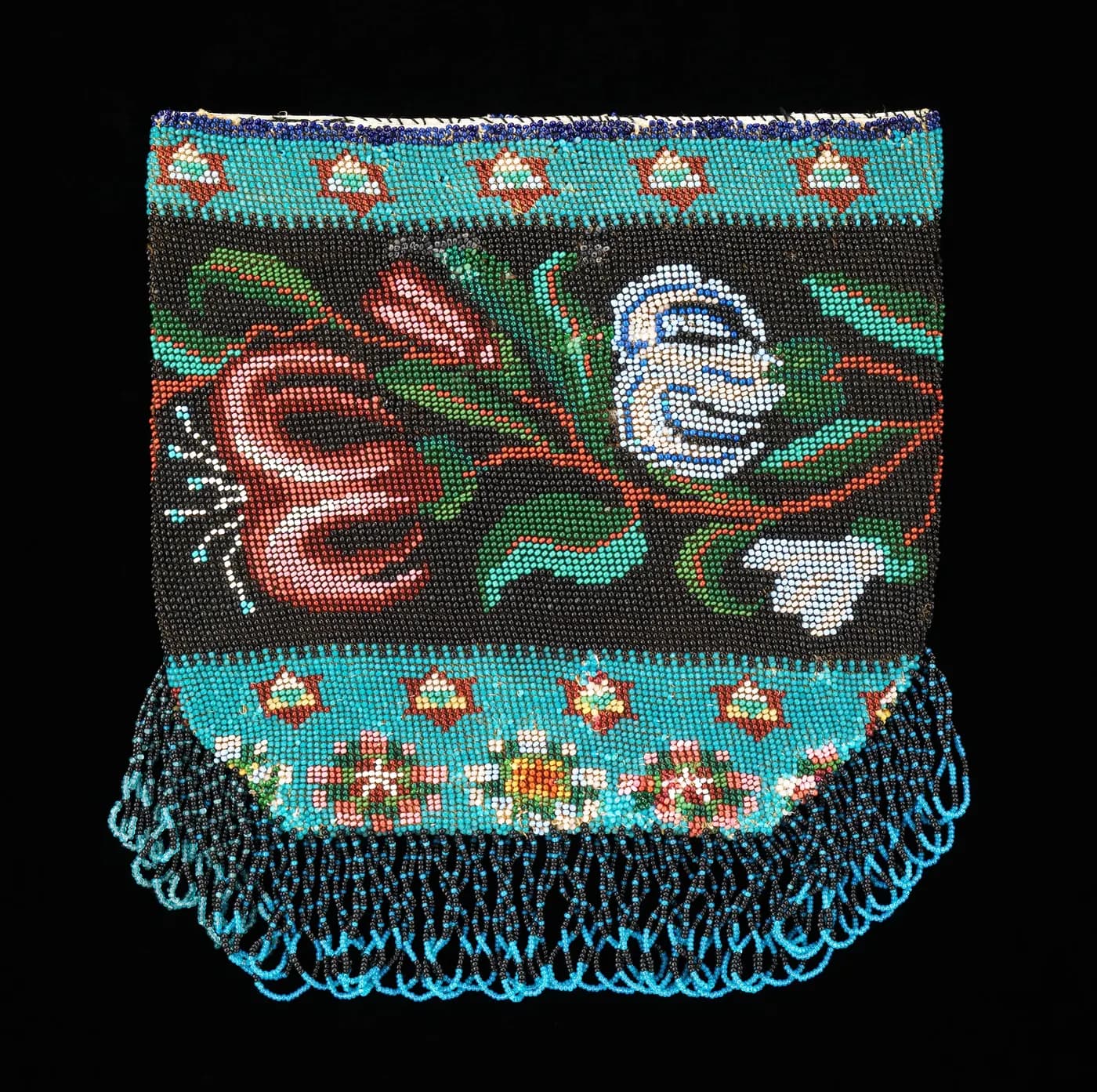
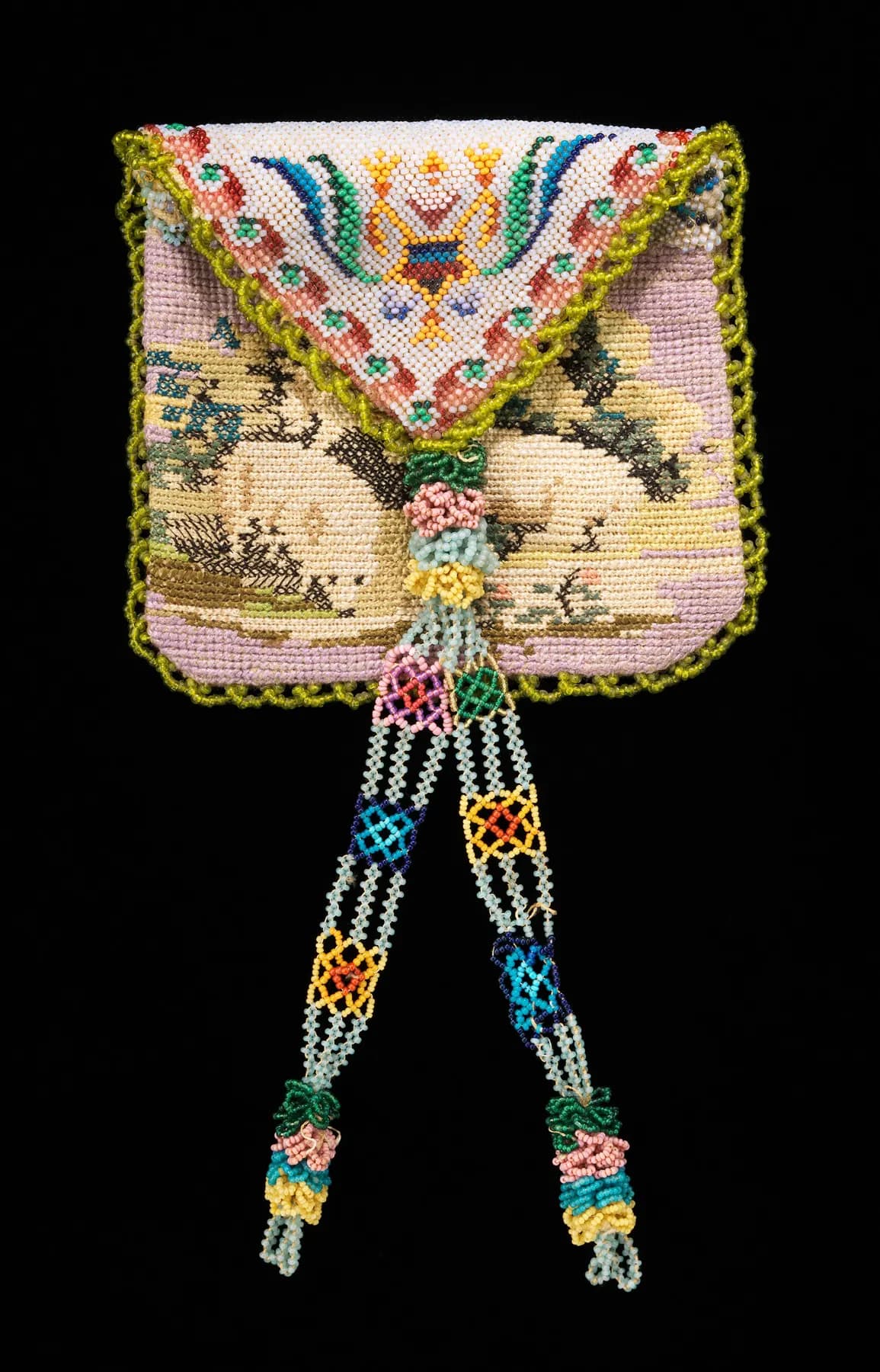
The beadwork is where desire really shows. In a Mexican purse from 1800 to 1820, glass beads on silk and linen turn a pocket-sized square of about 9.5 cm into a small landscape, with beaded straps longer than the bag itself. Nobody needs that to hold a coin.
The purse that did not want to open
Then there is the item with the best name in accessories. The miser’s purse is a long tube closed at both ends, with a slit in the middle and two sliding rings. Coins go through the slit, and the rings hold them at either end, keeping them apart. It came into fashion in the late 18th century, says TRC Leiden, and lasted into the early 20th. Cooper Hewitt traces the “miserly” name to its reputation as an especially tight money holder.
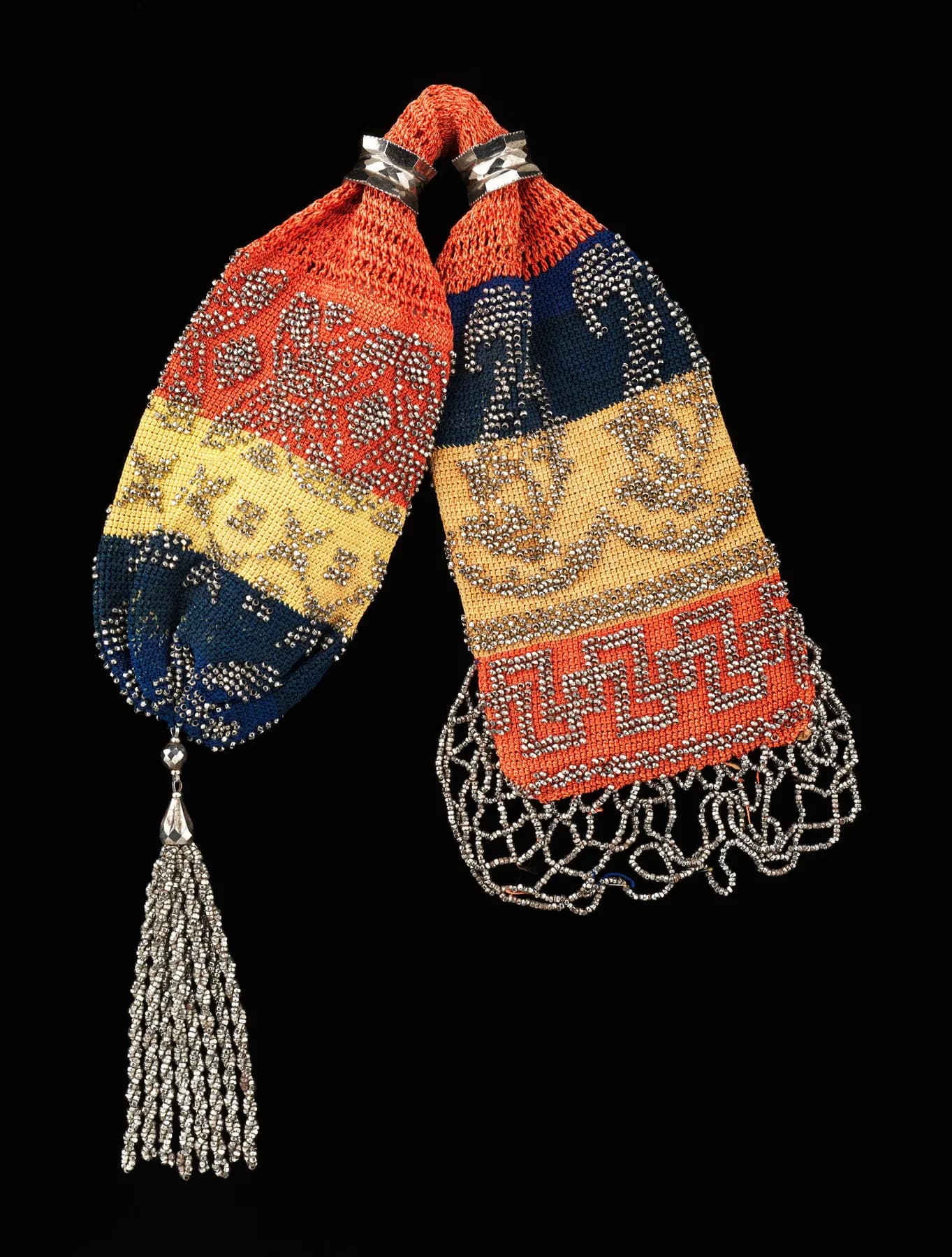
It is a security device in crochet. It was also, as these objects show, a thing you wanted to be seen taking out.
Hanging it all from the belt
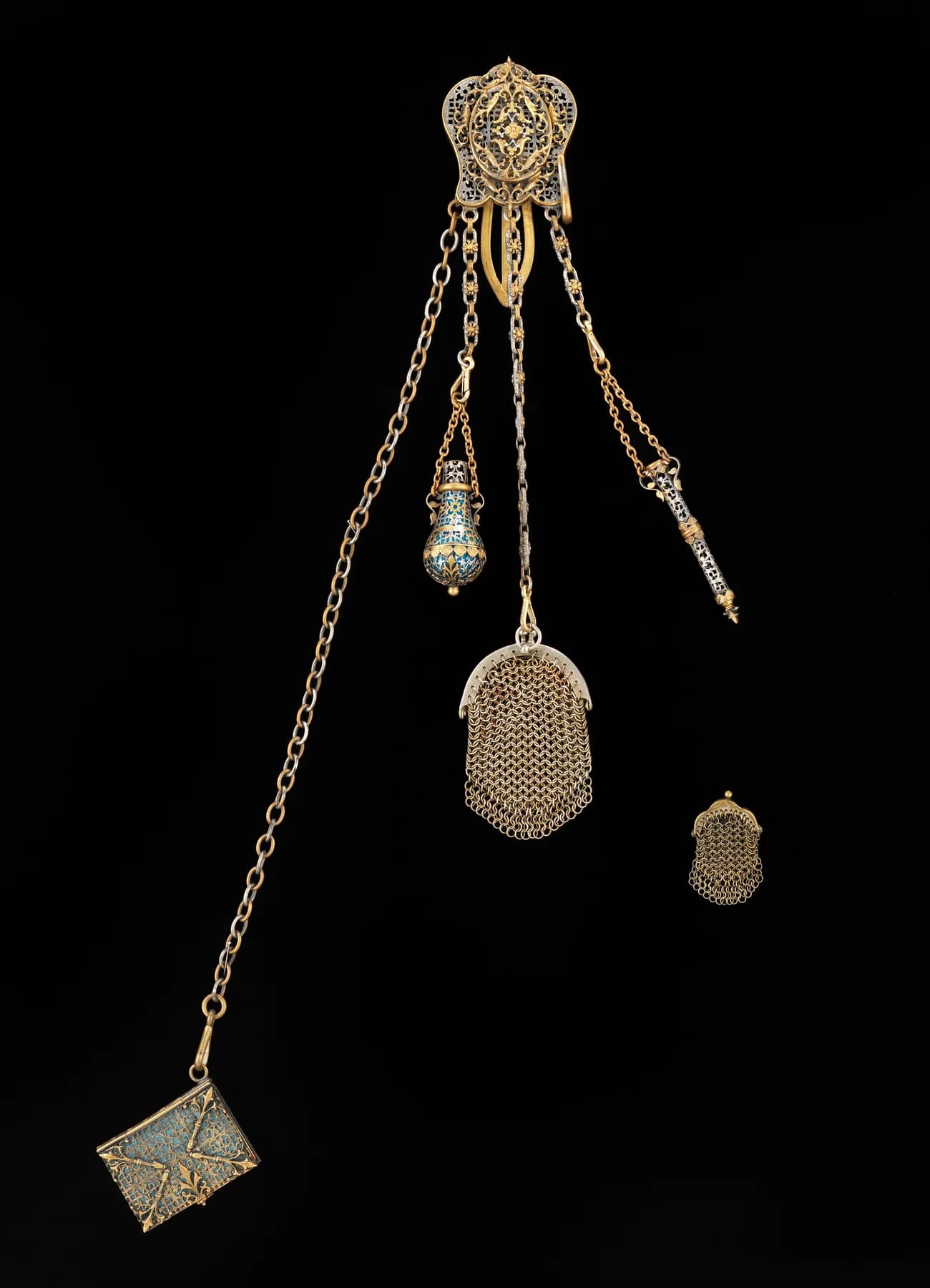
The chatelaine went the other way and put everything on show at once. According to the V&A, it evolved from sets of keys held by the mistress of a castle, and it hung thimbles, buttonhooks and watches on chains from a clasp at the belt. By about 1790 Matthew Boulton’s Birmingham works were making one in cut and faceted steel. This later one carries a tiny mesh purse among its chains.
And then a flight to London
In 1983, on a flight from Paris to London, the actress Jane Birkin reportedly told the Hermès chief executive Jean-Louis Dumas how hard it was to find a leather weekend bag she liked. A year later the Birkin existed.
It is the same complaint as the woman in muslin: nowhere good to put my things. Only the answer has changed, and it now has a price history of its own, which we track on the price hikes page. The bag under the skirt cost nobody a second look. Once it came out, everyone looked, and they have not stopped.
The Letter
One email a week: one bag, one number, one opinion, every confirmed hike and the best preloved saving in your country.